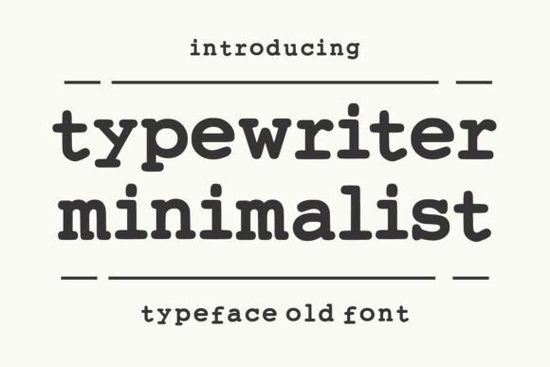
If you’ve ever wanted to bring the warm, nostalgic feel of a vintage typewriter into your designs but without sacrificing clarity or modern usability the Typewriter Minimalist Font might be exactly what you’re looking for. Inspired by classic mechanical typewriters and old manuscripts, this monospaced typeface blends retro charm with clean, minimalist lines. It’s especially useful for designers, small business owners, and crafters who want their work to feel authentic and handcrafted, yet still professional and legible.
Unlike overly distressed or exaggerated “vintage” fonts that can be hard to read at small sizes, Typewriter Minimalist maintains balanced proportions and subtle rounded terminals. This makes it suitable not just for headlines or logos, but also for body text in journals, packaging labels, or even short editorial layouts. The monospaced structure where every character takes up the same horizontal space adds to its typewriter authenticity while giving your projects a consistent, rhythmic look.
What kinds of projects work best with this font?
This font shines in contexts where personality and history matter. Think of it as the quiet, reliable friend who shows up looking effortlessly stylish. You’ll find it works beautifully for:
- Book covers and interior pages especially for indie authors publishing memoirs, poetry, or historical fiction.
- Stationery and journal designs planners, notebooks, or printable templates that benefit from a handwritten-but-structured aesthetic.
- Vintage-inspired branding coffee shops, bookstores, or artisanal product labels that want to signal craftsmanship and timelessness.
- Social media graphics and posters where a touch of retro adds warmth without overwhelming the message.
If you're exploring other serif options with different moods, you might also like The Youth Font, which leans more contemporary, or Semika, which offers elegant high-contrast strokes. And for those who want to compare similar typewriter styles, the dedicated page for Typewriter Minimalist includes usage tips and pairing suggestions.
How does it compare to other typewriter fonts?
Many typewriter-style fonts go heavy on the quirks: uneven baselines, ink blots, or exaggerated key strikes. While those can be fun for specific effects, they often limit versatility. Typewriter Minimalist strips away the excess noise and focuses on what made typewritten text appealing in the first place uniformity, rhythm, and understated character.
It’s also fully modernized for digital use. That means clear spacing, consistent weight, and compatibility across platforms. Whether you’re designing for print-on-demand mugs, Etsy shop banners, or client presentations, the font holds up well at various sizes and resolutions.
For reference, you can explore the full offering directly on Creative Fabrica: Typewriter Minimalist Font.
Can I pair it with other fonts?
Absolutely. Because of its neutral, structured form, Typewriter Minimalist pairs well with both sans-serifs and softer serifs. Try combining it with a clean sans-serif like Helvetica or Montserrat for contrast in headings versus body copy. Or, for a fully vintage editorial look, pair it with a classic serif such as Garamond or closer to home Semika, which shares a refined elegance without competing for attention.
When pairing, keep contrast in mind: if your typewriter font is used for headlines, choose a simpler companion for paragraphs, and vice versa. Avoid using two highly decorative fonts together they’ll fight for dominance rather than complement each other.
Is it beginner-friendly?
Yes. Even if you’re new to typography, this font is intuitive to use. Its monospaced nature means alignment is predictable, and its minimal styling reduces the chance of visual clutter. Plus, because it’s designed for readability, you won’t need to tweak letter-spacing or line-height excessively to make it work.
That said, a few quick tips help get the most out of it:
- Use generous line spacing (1.4–1.6) when setting longer blocks of text.
- Stick to black or dark gray for best legibility avoid light colors on white backgrounds.
- Limit all-caps usage; the font’s charm comes through more in mixed case.
Before you start your next project, ask yourself: does this design need warmth, history, and quiet confidence? If so, Typewriter Minimalist could be your go-to.
Quick checklist before downloading:
- Confirm your license covers your intended use (personal, commercial, or POD).
- Test the font in your actual design environment sometimes screen previews don’t reflect real-world rendering.
- Check if alternate characters or stylistic sets are included for extra flexibility.
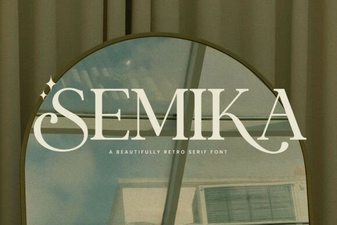 Semika Font: a Designer's Creative Toolkit
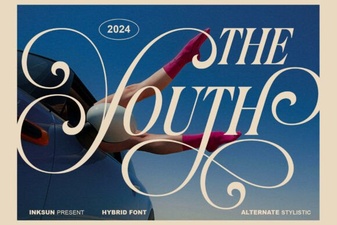 A Modern Youth Font for Creative Design Projects
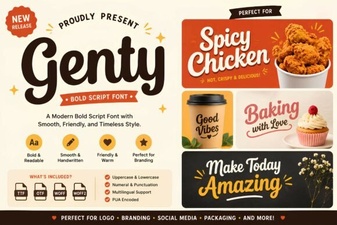 The Genty Font: Modern Design for Creative Projects
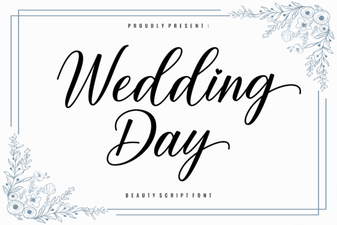 Stylish Fonts for a Perfect Wedding Day Design
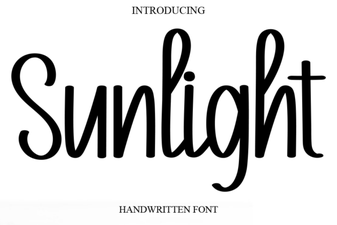 Sunlight Font: Design Projects & Creative Uses
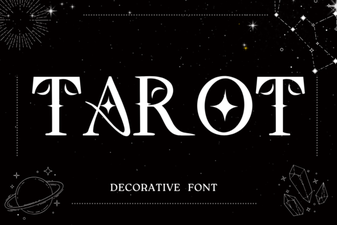 Creative Tarot Fonts for Design & Inspiration